


Last week, I attended a St. Patrick’s Day gathering in the House of Lords in London, where stories of peace, prosperity, and growing ties between Ireland and Britain offered an uplifting spirit beneath Westminster’s grandeur.


St. Patrick’s Day is often mistaken for noise and spectacle, but beneath the surface, it is a day threaded with memory and meaning, shaped across centuries of faith and belonging. My main takeaway from these conversations was a desire to understand Ireland’s culture more deeply, especially through the concept that lingered in my mind: Ireland Unrushed.
The Real Story Behind St. Patrick’s Day
17 March, marks St. Patrick’s Day. It’s always been a poignant day in our household with a family birthday, so I was eager to understand more about the celebration.
St. Patrick is the patron saint of Ireland, but he didn’t always live in Ireland. Born Maewyn Succat, likely in Wales or Scotland, he was abducted by Irish pirates at 16 and enslaved on Slemish Mountain in County Antrim. But during his captivity, he experienced a spiritual awakening. After his escape, he returned to Ireland and changed his name to Patrick, spending decades converting the Irish to Christianity.
St. Patrick used the shamrock, the “seamroy” of Celtic tradition, to teach about the Holy Trinity, with its three leaves representing the Father, Son, and Holy Spirit. The plant, long sacred to the Irish as a symbol of spring’s arrival, became forever linked with the saint.
Here’s a detail that might surprise you: St. Patrick actually wore blue, not green. The colour green only became associated with St. Patrick’s Day after the Order of Saint Patrick was established in 1783, and it has since become inseparable from Irish identity. A fascinating reminder that even our most cherished traditions evolve.
Patrick died in 461 in Saul, County Down, where he had established his first church. March 17th marks the date of his death, which is why we celebrate St. Patrick’s Day on this date, a day traditionally meant for spiritual renewal.
What was once a religious holiday has become an international celebration of Ireland, its culture and history. In rural Ireland, or ‘down the country’ as they say, St Patrick’s Day is much more likely to be celebrated in traditional style, especially on the islands and in the Gaeltacht (Irish-speaking) areas, with traditional music, singing, dancing, and horse racing.
The Case for Slow Travel in Ireland
Listening to Tourism Ireland, I kept returning to two words mentioned: Ireland Unrushed. The idea of moving slowly, of letting time stretch out and noticing what might otherwise be missed, it gave me a nudge to research places to visit in Ireland.
I’m told there is no single way to travel slowly here. Some will be drawn to the calm of bookshops or the sound of poetry in old pubs. For others, slowness is found in the kitchen or the fields - a morning spent searching for wild herbs, or learning the patience of bread rising in a farmhouse kitchen. The act of preparing food becomes a way of listening to the land.
Some may choose to move quietly through the landscape - by train, by bicycle, by boat, or simply on foot - letting the scenery unfold at its own pace, and allowing the stories of place and people to surface slowly.
Slow Travel Options: Where to Start
If you’re drawn to slow travel, these options will be a place to start.
A Culinary Tour Through Cork
Cork, known as the “Real Capital” by locals, is an absolute revelation for anyone seeking to understand Ireland through its food. The River Lee winds through the city centre, creating an intimate landscape where food markets, craft breweries, and Michelin-starred restaurants sit harmoniously alongside traditional pubs. Slow travel in Cork means spending time at the English Market, one of Europe’s finest food markets, where you can chat with vendors about seasonal produce, sample local cheeses, and pick up ingredients for an evening meal.
The surrounding countryside offers farm-to-table experiences where you can meet the farmers, foragers, and chefs who are reimagining Irish cuisine with respect for tradition and celebration of local terroir. Imagine spending a morning in the Blackwater Valley learning about artisan food production, then spending the afternoon in a farmhouse kitchen taking a cooking class, preparing traditional Irish dishes with ingredients you’ve sourced yourself.
In the evening, venture into Cork’s vibrant dining scene or settle into a traditional pub where music sessions flow naturally and the talk turns to storytelling. The Beara Peninsula nearby offers dramatic coastal views paired with small seafood restaurants where you can taste the catch of the day, the mussels, prawns, and white fish pulled from these waters just hours before they reach your plate. This is slow travel celebrated through the senses, understanding not just Irish culture, but the very landscape that sustains it.
A Literary Pilgrimage Through Dublin and Beyond
For those drawn to Ireland’s extraordinary literary heritage, Dublin and the surrounding regions offer an endless journey through centuries of storytelling. Walk the streets where Joyce, Beckett, Wilde, and Heaney lived and worked. Spend hours in independent bookshops like Hodges Figgis or the Winding Stair, where books and conversation flow like Guinness. Visit literary pubs where writers gathered, and settle in for an evening of storytelling and traditional music sessions.
But the literary journey extends far beyond Dublin. Yeats’s country in County Sligo offers the landscapes that inspired his poetry, with guided walks and literary tours that connect the place to the written word. The Beara Peninsula has inspired countless writers and artists. Seek out author homes that welcome visitors, places where you can step into the worlds that novelists created. Attend poetry readings and literary festivals that happen year-round in villages across the country. This is slow travel for the curious mind, where each destination is not just a place but a chapter in Ireland’s ongoing story.
Scenic Train Journeys: The Romance of Rail
The Shannon-Erne Waterway: A Slower Pace by Water
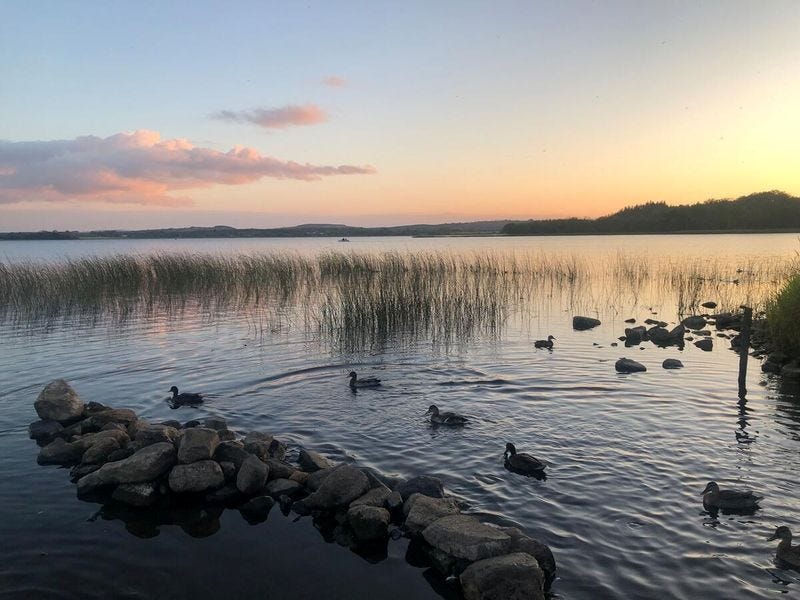
The Shannon-Erne Waterway connects two of Ireland’s most iconic waterways, passing through stunning countryside and offering one of Europe’s most tranquil navigation experiences. Glassy waters, mysterious islands with ancient statues, and a pace of life that forces you to go slow all combine to make this region irresistible for sustainable travel. Base yourself on a barge, canoe, or cruiser and spend days exploring charming waterside villages where locals gather in cosy pubs for traditional music sessions. The Fermanagh Lakelands in Northern Ireland are particularly magical, with Lough Erne’s mirror-still waters reflecting ancient monuments and modern-day stories. Picture yourself on these waters, the mist rolling off the surface at dawn, perhaps joining a St. Patrick’s Day celebration in a waterside village where the traditions run deep and the welcome is genuine.
The Causeway Coast: Dramatic Beauty and Hidden Treasures
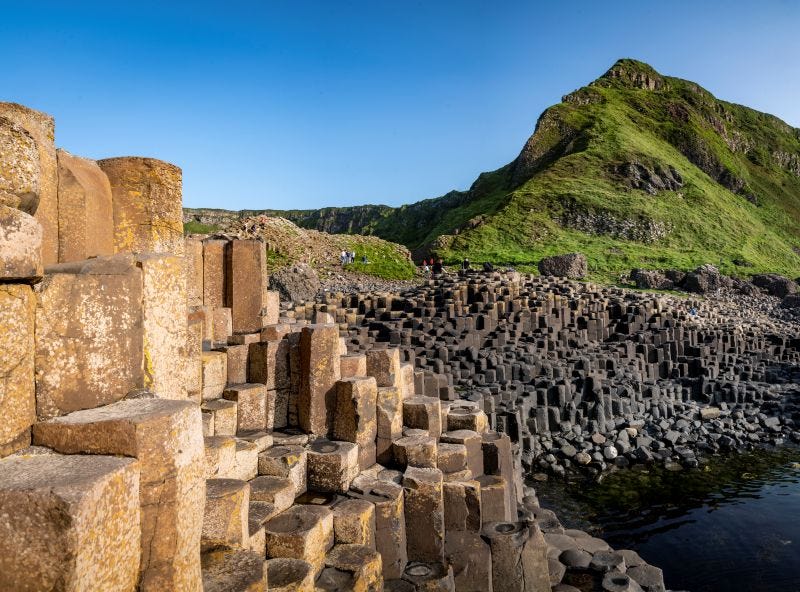
Northern Ireland’s Causeway Coast is a slow traveller’s dream, offering some of the most dramatic and varied landscapes in all of Ireland. The legendary Giant’s Causeway - a UNESCO World Heritage Site of basalt columns is just the beginning. Walk along clifftop trails where the Atlantic crashes against ancient rock formations, pausing in charming villages like Bushmills and Ballycastle that time seems to have forgotten. These coastal communities host their own St. Patrick’s Day celebrations, often featuring traditional Irish music, local crafts, and the kind of authentic cultural experiences that make your heart sing. Spend your days hiking, exploring hidden coves, and visiting local distilleries (Bushmills is home to the world’s oldest licensed whiskey distillery). In the evenings, settle into a fireside pub where storytelling and music are as nourishing as the warming stew.
The Westport-Achill Greenway: Pedal Your Way Through History
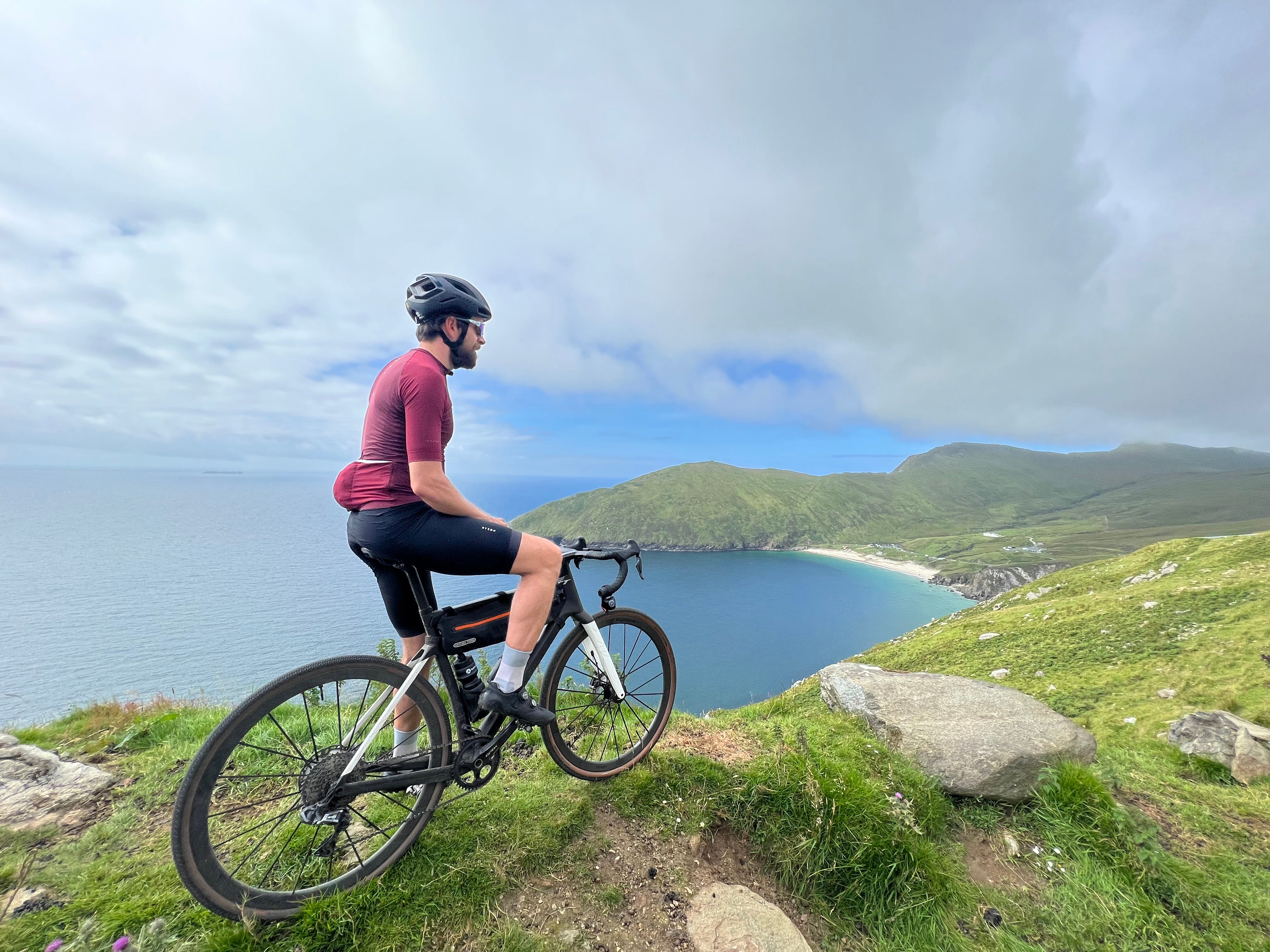
Follow the greenway from Westport’s warmth, a charming market town with colourful streets and welcoming pubs, to the windswept beauty of Achill Island. This dedicated cycling route, built on a restored railway line, connects communities and offers intimate views of the Irish countryside that you simply cannot experience from a car. You move slowly enough to notice things: the wildflowers that dot the verges in spring, the ancient stone walls that mark field boundaries, the welcoming faces of locals in small towns who remember when this route carried trains instead of cyclists.
Westport itself deserves several days of exploration. Nestled at the foot of Croagh Patrick (Ireland’s holy mountain), this is a place steeped in pilgrimage and spirituality, perfect for a contemplative St. Patrick’s Day. The nearby Clew Bay offers stunning vistas, and local farm-to-table restaurants celebrate the region’s bounty. As you cycle towards Achill Island, you’ll pass through Croagh Patrick National Park, across dramatic moorlands, and finally onto the island itself, a wild, beautiful place where golden cliffs rise from turquoise waters and the pace of life slows to match the rhythm of the Atlantic tides.
Coastal Villages Around Belfast: City Charm Meets Seaside Serenity
Belfast is often overlooked by slow travellers, yet the coastal villages within easy reach offer surprising depth. Explore the city’s vibrant street art and cultural scene, then venture to nearby Carrickfergus with its imposing castle overlooking the lough, or Greyabbey with its atmospheric monastic ruins. The Ards Peninsula offers quiet country lanes, sandy beaches, and villages like Donaghadee, where fishermen still work as they have for centuries. These communities celebrate St. Patrick’s Day with genuine warmth - this is where you’ll find local church services, family gatherings, and pub sessions that reflect the true spirit of the day. The Cave Hill walk offers panoramic views over Belfast Lough, and the waterfront district has been beautifully regenerated, with galleries, restaurants, and music venues where traditional sessions naturally take place.
Dublin and Surrounding Coastal Villages
While Dublin itself can feel touristy on St. Patrick’s Day, the city has remarkable depth if you venture beyond the obvious attractions. Spend time in independent bookshops, literary pubs where Joyce and Beckett once sat, and neighbourhood restaurants where Dubliners actually eat. The Southside offers Georgian squares and local markets; the Northside reveals street art, independent theatres, and authentic working-class neighbourhoods.
But more rewarding still are the coastal villages within easy reach: Howth, a fishing village with dramatic clifftop walks and seafood restaurants overlooking the bay; Dún Laoghaire with its Victorian seaside charm and harbour walks; and Malahide with its castle and coastal walks. These villages offer a gentler pace than the city centre, with local pubs where you can hear traditional music, chat with fishmongers about the day’s catch, and feel the real pulse of Irish life. Spend a day cycling the Dollymount Strand, a beautiful 5km beach that offers a surprising escape from urban Dublin, or take a boat trip to Howth Head to spot seabirds and enjoy coastal walks with views back to the city.
The Invitation
I have been inspired to visit Ireland to see what stories I might uncover on a slow, scenic journey. I’m still in the planning stage of which region to settle on, but it is sure to include beautiful landscapes and food connected to the land!
If you feel the same pull, perhaps you’ll find yourself on a train through the countryside, cooking food in a farm or staying in a small town until the routines become your own.
If you are ready to plan your own slow Irish adventure, visit Tourism Ireland’s website (Ireland.com). It’s a wonderful resource for slow travel inspiration, local events, and authentic experiences.
Or if you have already visited and have stories to share, I would love to hear them! They might just shape my final itinerary. Add your tips to the comments below.